It takes approx. 1 minutes to read this article
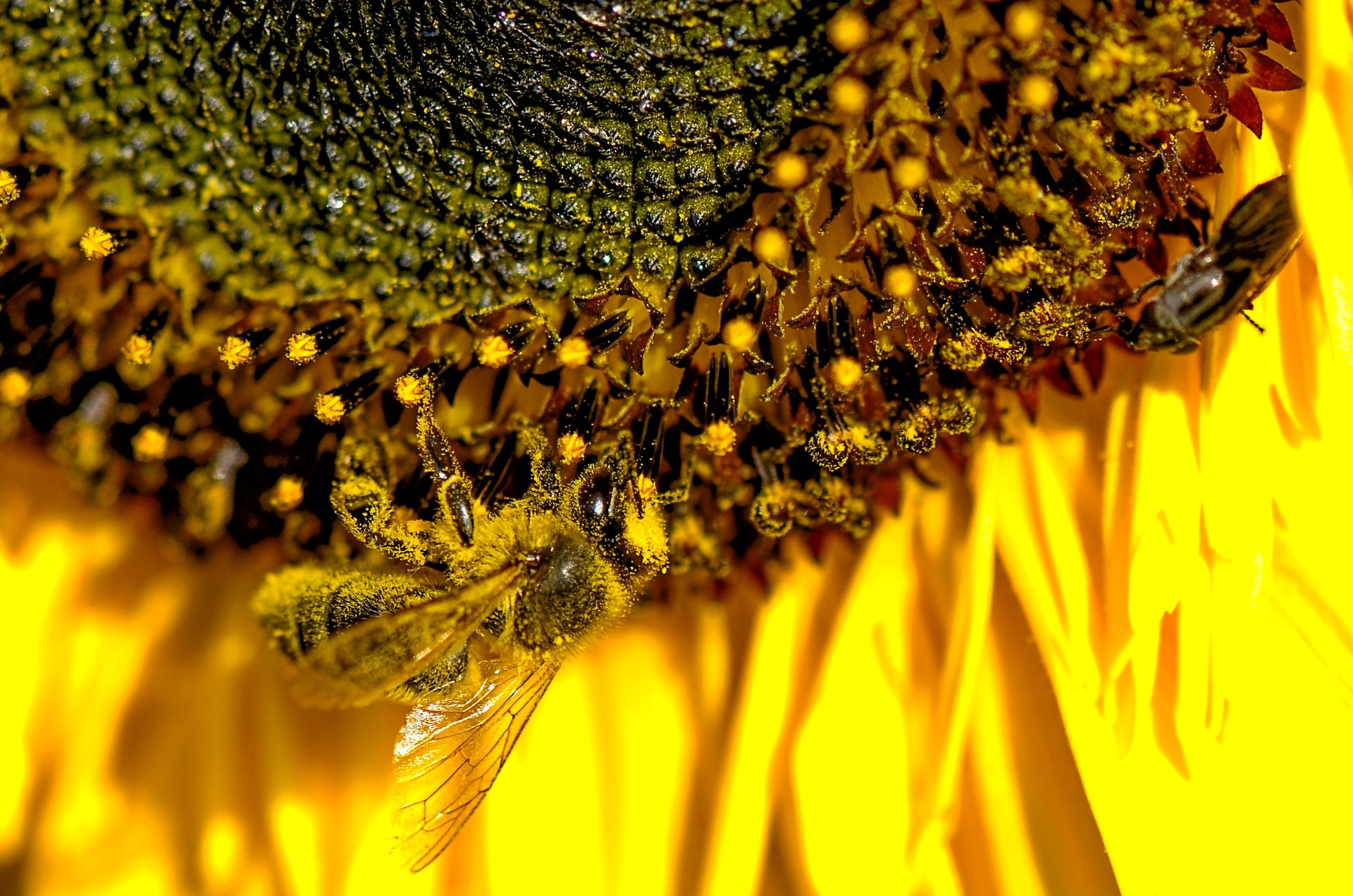
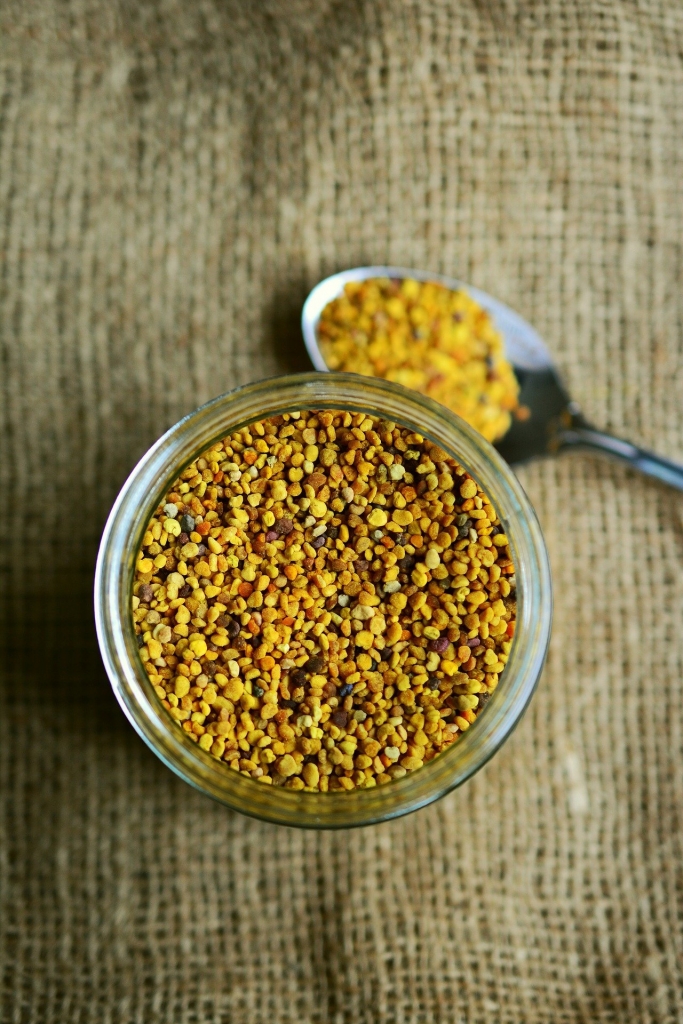
In natural ways of healing and supporting the body, apitherapy, i.e. treatment with bee products, is often one of the recommended methods. One of them is pollen, whose properties wonderfully affect the functioning of the body.
Action:
- Pollen is excellent for maintaining the proper pH of the body
- It can successfully function as a supplement, because it is a rich source of nutrients such as fatty acids, simple sugars (fructose and glucose), protein, vitamins D, C, E, K, potassium, phosphorus, magnesium, sodium, lecithin or rutin
- It increases appetite and has a positive effect on metabolism.
- It is an effective medicine in fight against anemia
- It helps in the fight against obesity
- It has a strong detoxifying effect.
Application:
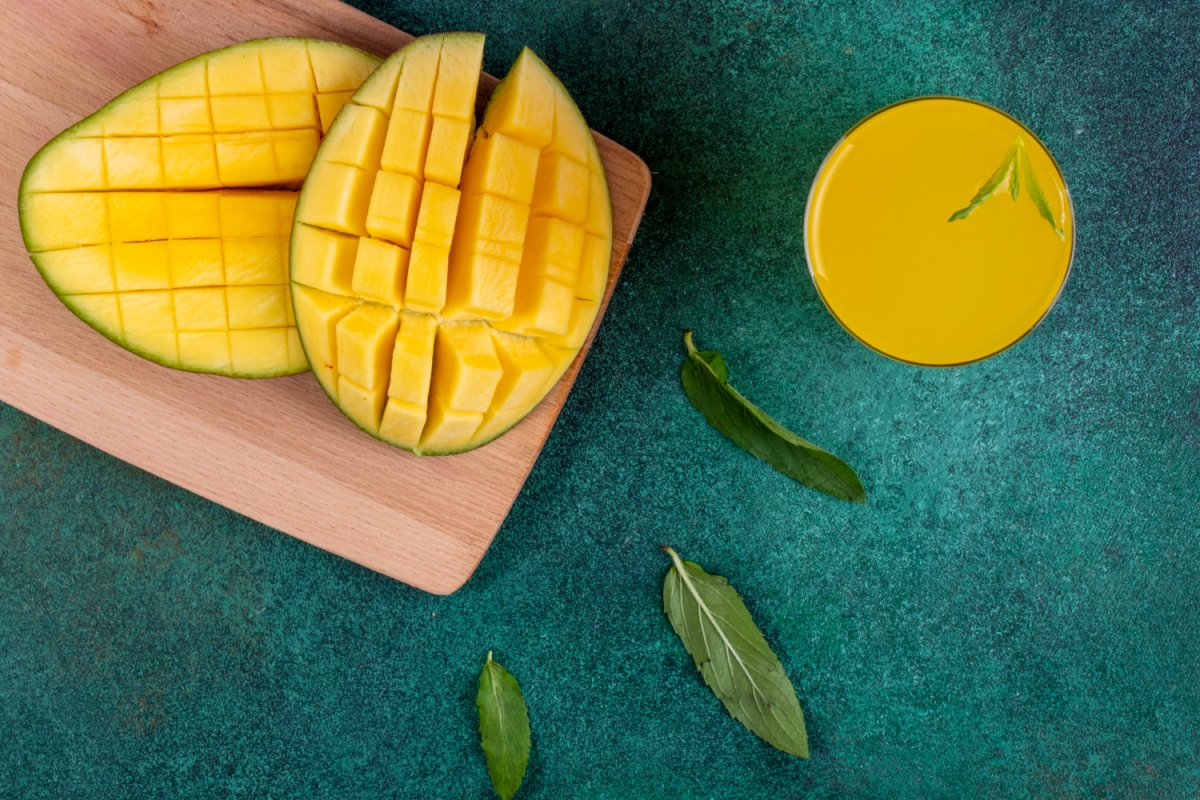
The most popular way to take pollen is to mix it with bee honey, but a good alternative will also be to mix it with juice, yogurt, cottage cheese, jam or milk. It is most often used in a ratio of 1:1. You must also remember to grind it thoroughly so that the body can better assimilate it.